Landowners & Burial Sites
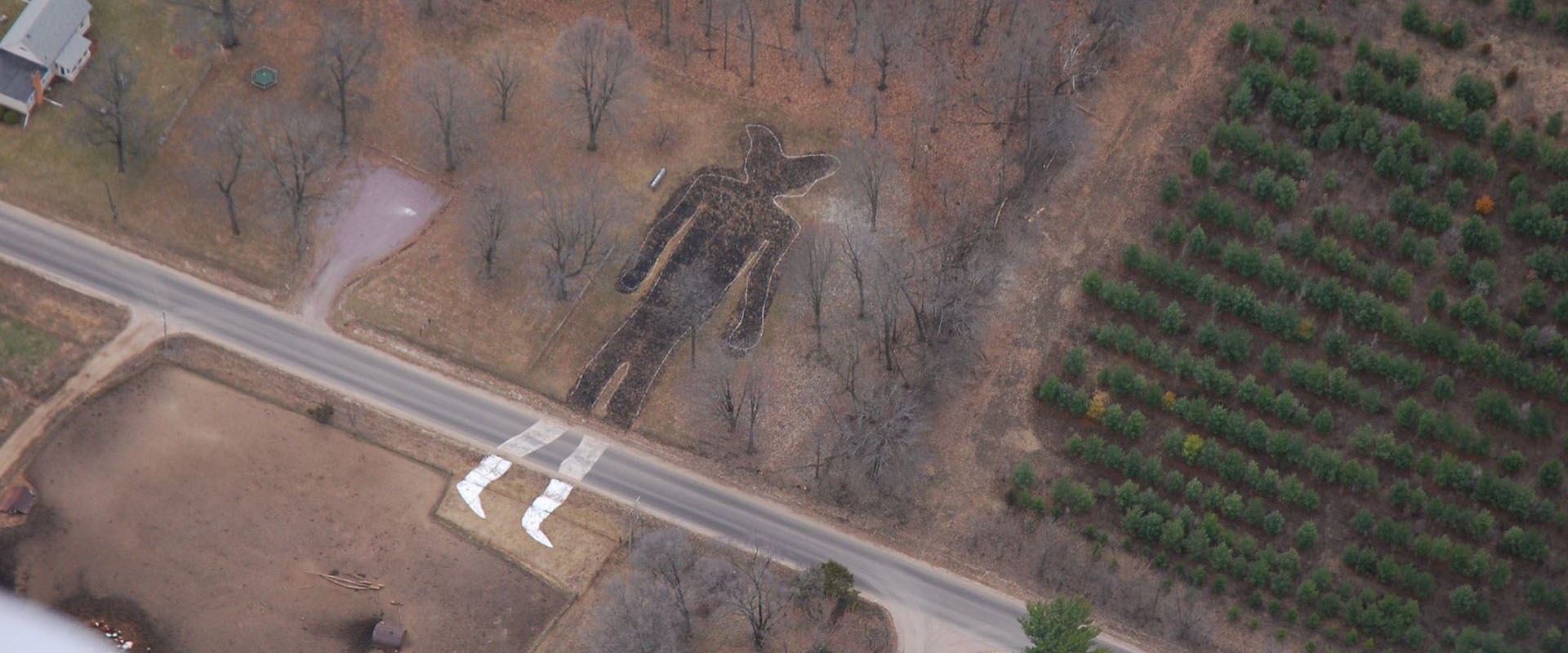
About Landowners & Burial Sites
As the owner of a human burial site, you have certain rights and responsibilities. You are the caretaker of an irreplaceable piece of Wisconsin heritage. Learn more about your rights, responsibilities, and more information about Burial Sites law in Wisconsin.
Do I have a burial
site on my property?
For parcel-specific burial site presence or absence information, please complete the request form with your contact information and the parcel number of the property.
Request InformationLandowner Rights and Responsibilities
Click below to learn more about your rights and responsibilities under Wisconsin's Burial Sites Preservation Law.
Burial site records are considered confidential and are not available for open records requests. Any information you provide about a burial site to the Wisconsin Historical Society is confidential.
However, there are instances when information about your site can be or must be released:
- You are legally required to disclose the presence of human burial sites when you are selling the property.
- Potential buyers or realtors may also request information about sites on your land from our office by filling out the Request for Information form.
- If construction is planned near your site, the parties involved may check to see if there are any human burial sites that may be disturbed. Information about your burial site may be made available to them. In most cases, such information requests are made to satisfy provisions of federal or state law regarding the protection of burial and archaeological sites. If anyone is provided with information concerning your burial site they will be bound by confidentiality agreements. They will use the information only to avoid disturbing human burials.
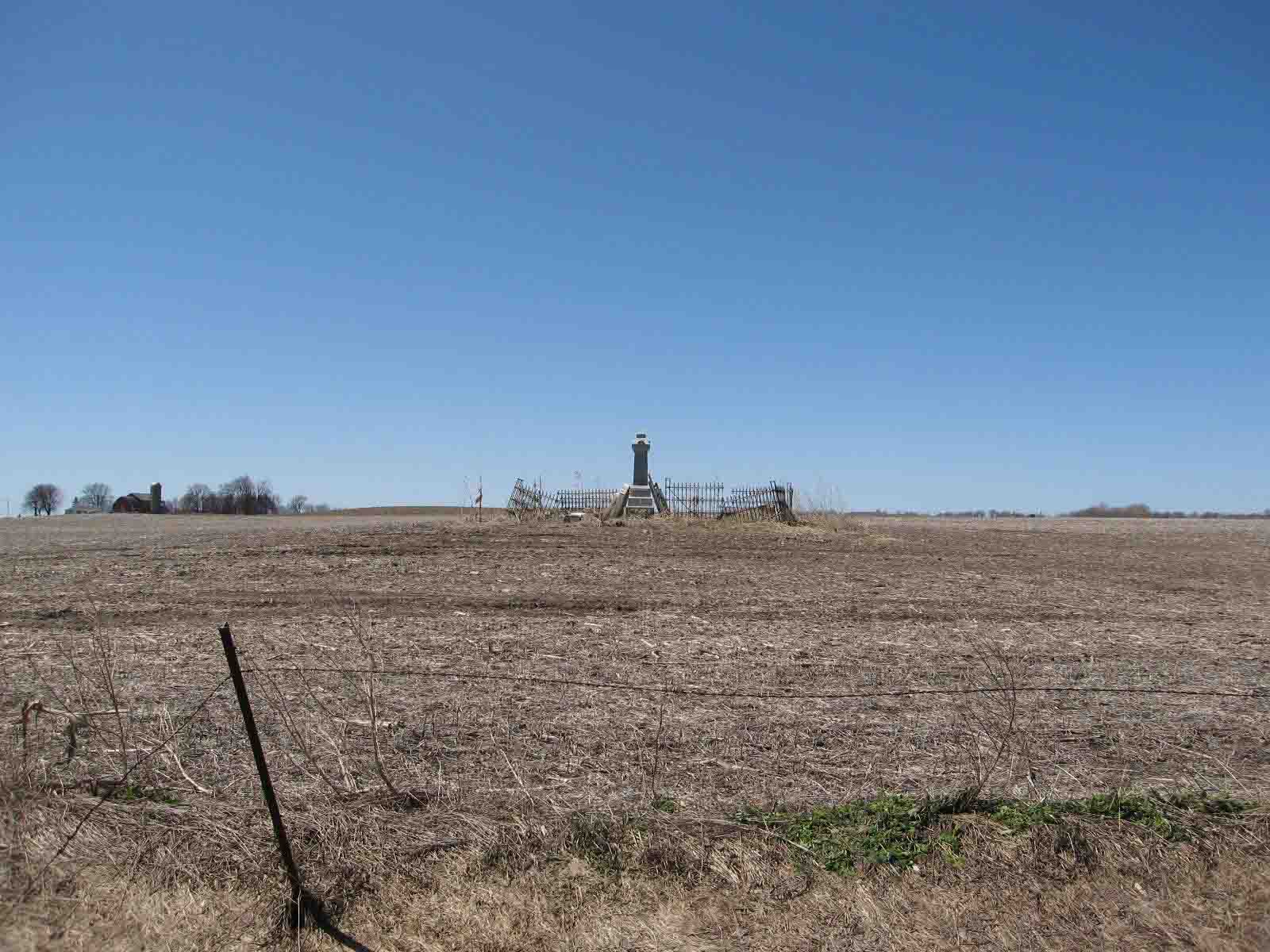
You are not required to allow public access to burial sites or cemeteries on your private property.
It is possible that if you own a small private or family cemetery the relatives of the deceased will approach you. If you do decide to allow access to your cemetery, you may negotiate entry on the terms of your choosing.
Before you decide to deny access to a burial site, check with your county's register of deeds to make sure that there are no easements granting public access to the burial site. Additionally, make sure that you own clear title to the parcel itself. If you do not own the cemetery or burial site parcel, or if there is an easement, you do not have the right to block access to the parcel, even if you have been maintaining it for many years.
Under Wisconsin's burial sites law, landowners with catalogued burial sites on their property are eligible for a property tax exemption.
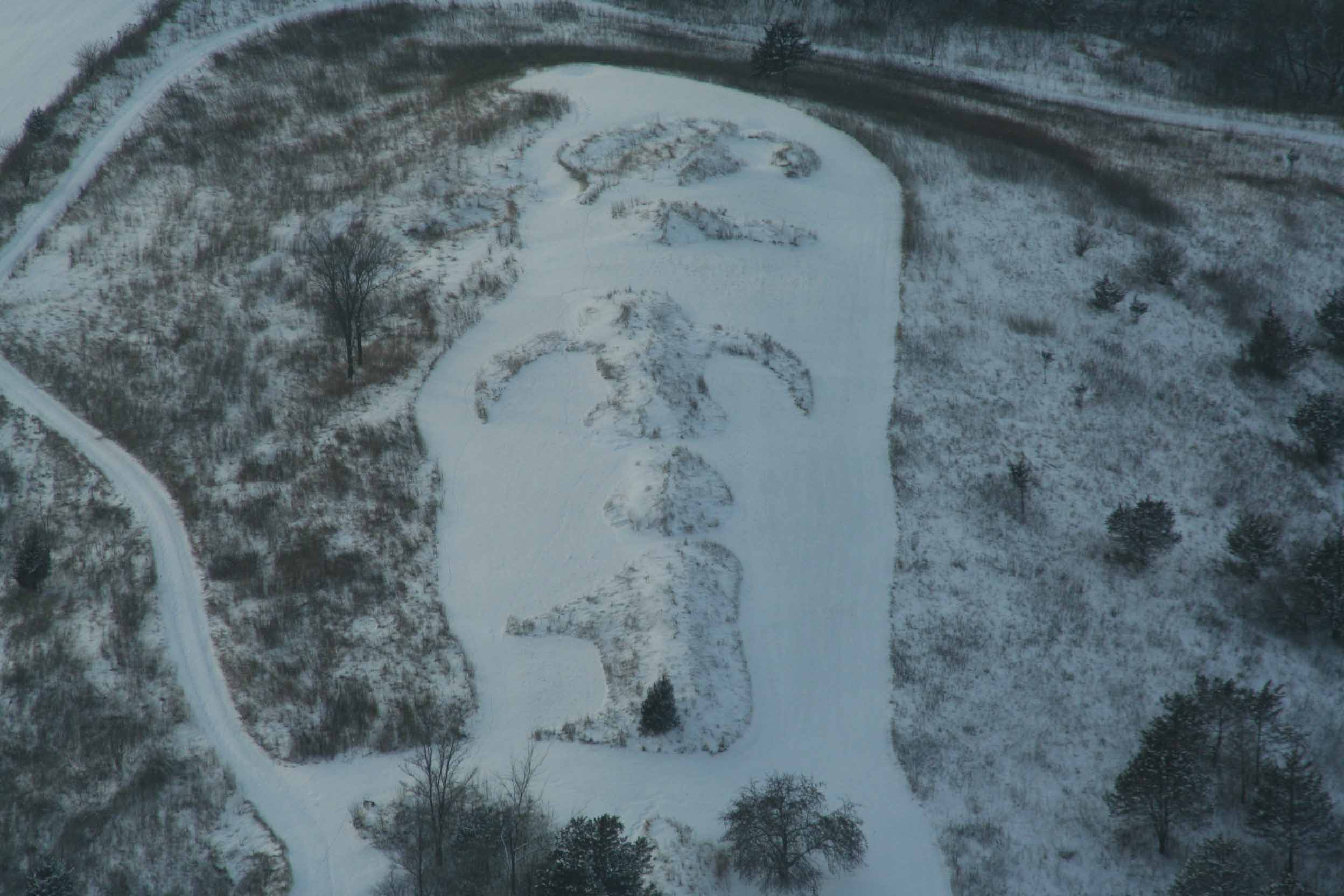
There are no state laws addressing how human burial sites should be maintained, as long as the sites are not disturbed. However, burial sites that are well-maintained and marked are less likely to be disturbed by accident. If you want to maintain a cemetery or Native American mound group on your property, but need help, you may want to consider partnering with a local volunteer organization. Make sure that all volunteers are aware of the restrictions covering activities within human burial sites before they begin work.
If you have received authorization or a permit to disturb a burial site on your property, you are responsible for the associated costs of doing that authorized work. If the authorization or permit stipulates that you must have a qualified archaeological monitor present for ground disturbing activities, you may obtain bids and hire professionals from the list of archaeologists qualified to do that work.
If human remains are discovered during ground disturbing work and they need to be moved from the burial site, you will be responsible for the costs involved in the excavation, analysis, and relocation of all burials and burial markers. The list of qualified professionals to complete those tasks is maintained by the Wisconsin Historical Society.
Municipal Governments and Burial Sites
If you are an official or employee of a municipal or town government, you should be aware that local units of government have legal responsibilities towards human burial sites. Wisconsin law describes procedures that municipal and town officials must follow when selling land, dealing with abandoned cemeteries, or planning construction on public property.
A municipality (a town government, village, city, or other political entity defined as a municipality in Wis. Stats. 66.0621) may not sell or transfer land that contains a human burial site without certain restrictions, unless the transfer is to another municipality (Wis. Stats. 157.70(6m))
- The transfer must be approved by the Burial Sites Preservation Board.
- The municipality must provide for the subsequent preservation of the burial site, usually by requiring that the burial site be set aside as green space or for some other use that won't disturb human burials.
- The municipality may be required to hire an archaeologist to evaluate the condition of the burial site.
Municipalities and towns are required to assume ownership of abandoned private cemeteries. Cemeteries are considered abandoned if the cemetery association or other organization that once cared for the cemeteries no longer exists and no legal owner can be found (Wis. Stats. 157.115(1)).
- The municipality or town must care for the cemetery to the same standards as other municipal or town cemeteries.
- Six or more residents of your town or municipality may petition the circuit court to require that the town or municipality assume ownership or move any graves to another location.
When construction on municipal or town property requires an archaeological survey, the archaeologists will need a completed, signed Wisconsin Public Lands Field Archaeological Permit. The archaeologist hired to conduct the survey will send the permit application to you for your signature (or another appropriate representative's signature). Construction cannot proceed until you sign the permit application and then send it to the Wisconsin Historical Society for approval.
What are the types of burial sites?
Wisconsin state statute 157.70 outlines two statuses of burial sites in the state of Wisconsin: catalogued and uncatalogued. While all burial sites are protected regardless of status, catalogued and uncatalogued sites have status-specific review processes and implications for landowners.
Catalogued Burial Sites
Catalogued burial sites are those human burial sites believed to still contain human remains, in a known location, and the location is documented with the Register of Deeds.
Catalogued Burial Sites Receive Special Treatment under State Laws
- The owners of land with catalogued burial sites present are eligible for property tax exemptions for the catalogued area.
- Penalties for disturbing a catalogued burial site, without a permit from the director of the Wisconsin Historical Society, are more severe.
- Requests to disturb a catalogued burial site may be denied.
- If someone requests to disturb a catalogued burial site, members of the Registry of Interested Persons (RIP) are given 30 days to review the request and can comment on or object to the request.
- Registry members, the Wisconsin Historical Society, and other parties can ask for a hearing to determine if a permit to disturb a catalogued burial site should be granted, and they may appeal any decision to permit or deny disturbance.
Uncatalogued Burial Sites
Uncatalogued burial sites are those that have been destroyed, cannot be specifically located, or have not yet been catalogued.
More Information about Burial Sites

How to Catalog a Burial Site on Your Property
How to Catalog a Burial Site on Your Property
Wisconsin Historical Society staff can record any human burial site on your property. Cataloguing a burial site is easy and it can help lower your taxes, since owners of catalogued burial sites are eligible for property tax exemptions for the land in those catalogued boundaries.
Check to See if the Site Is Already Recorded in the Society's Records
It's possible that the burial site is already catalogued. To verify this, you will need to fill out the Request for Information form and submit it to the Office of the State Archaeologist.
If the Burial Site is Already Catalogued
If your burial site is already catalogued and you would like a property tax exemption, the Wisconsin Historical Society will provide you the paperwork you need with an explanation of how to apply for the exemption.
If the Burial Site is Not Catalogued
If the Society doesn't have a record of a burial site on your property, you will be asked to fill out a Report a Burial or Archaeological Site form or a Home Burial Reporting form. This form is used to provide a permanent and confidential record of the burial site.
If the Society does have a record of your site in its database, but is not catalogued, you can work with the Wisconsin Historical Society to work through the cataloguing process.
In rare cases, Society staff may need to visit your property to record important information about your burial site. They will not enter your property without your permission, and will work with you to arrange a convenient time to visit.
After the Wisconsin Historical Society works with the Register of Deeds to catalog a newly recorded burial site, you will receive copies of the associated paperwork for that cataloguing in the mail.
After the burial site on your property is catalogued you will receive the associated paperwork in the mail. If you would like a property tax exemption, Society staff will provide you the paperwork with an explanation of how to apply for the exemption.

Benefits of Cataloguing a Burial Site
Benefits of Cataloguing a Burial Site
Cataloguing a human burial site has many benefits — lower property taxes for the landowner, promoting long-term preservation of the site, and increasing opportunities for Wisconsin's citizens to voice concerns if construction is planned within the boundaries of the site.
Cataloging Provides Safeguards
Wisconsin’s Burial Sites Law provides more safeguards for catalogued burial sites. The director of the Wisconsin Historical Society and administrative law judges can deny requests to disturb catalogued human burial sites. If catalogued burial sites are disturbed without authorization, the penalties for the disturbance are more severe than for burial sites that are not catalogued.
Landowners with Catalogued Burial Sites on Their Property Become Eligible for Property Tax Exemptions
Owners of land with cataloged burial sites present are eligible for a property tax exemption for the burial site area and all contiguous land catalogued with the burial site.
Cataloguing Encourages Future Owners to be Stewards of Burial Sites
The Wisconsin Historical Society must file a description of the burial site with the Register of Deeds. This information describing the catalogued burial site will be attached to the property record, ensuring that future owners of the property will be aware of the human burial site so that they will not be unlawfully disturbed.
Like any Wisconsin citizen, you can help protect catalogued human burial sites by applying to join the Registry of Interested Persons. People and organizations listed on the Registry are notified when construction is planned within the boundaries of catalogued burial sites. Registry members are given the opportunity to voice concerns about the proposed projects and can request hearings to determine whether a planned project should be allowed to proceed.
Neither catalogued nor uncatalogued sites may be disturbed without authorization or Permit from the director of the Wisconsin Historical Society.
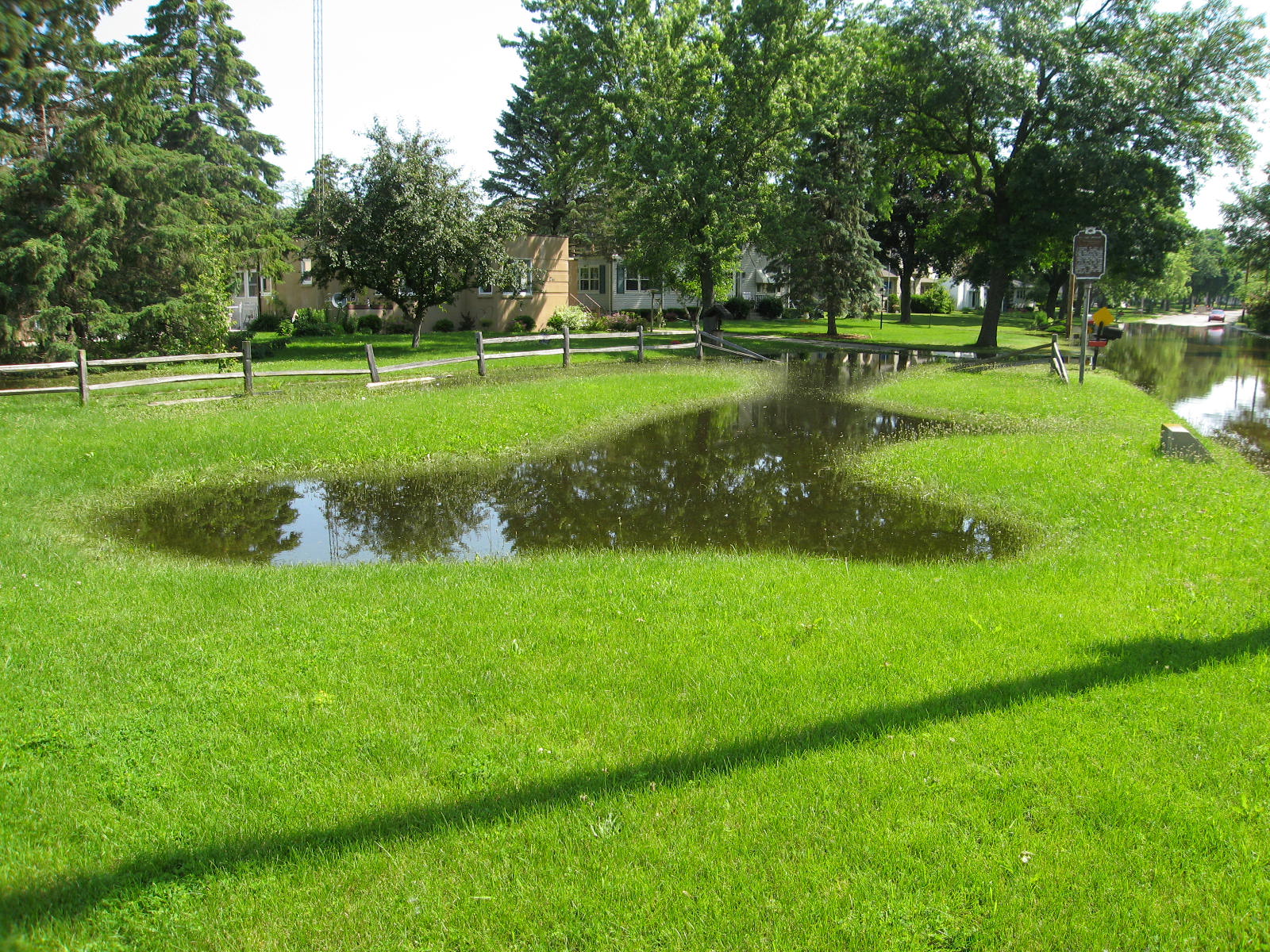
How to Apply for Tax Exemption
How to Apply for Tax Exemption
If you have a catalogued human burial site on your property, you are eligible for a tax exemption for the land in the catalogued boundaries of the burial site. Below is information to help you get started.
Make Sure the Burial Site is Catalogued and You Have the Associated Paperwork
If the site on your property is already catalogued and you have the associated paperwork, proceed to Notify Your Tax Assessor.
If you do not know whether your burial site has been catalogued, please fill out the Request to Obtain Information about Burial and/or Archaeological Sites form and submit to the Office of the State Archaeologist.
- If the Wisconsin Historical Society does not have a record of a burial site on your property, you will be asked to fill out a Report a Burial or Archaeological Site form, or if the burial in question is a more recent private property burial, fill out and submit a Home Burial Reporting form. Submit the appropriate form to the Office of the State Archaeologist.
In some cases, Society staff may need to visit your property to record important information about your burial site. They will not enter your property without your permission, and will work with you to arrange a convenient time to visit.
After the Wisconsin Historical Society works with the Register of Deeds to catalog a newly recorded burial site, you will receive copies of the associated paperwork for that cataloguing in the mail.
If you know the burial site on your property is catalogued, but don't have the associated paperwork for that site, contact the Office of the State Archaeologist to receive copies of that documentation.
Notify Your Tax Assessor
Once you have the completed paperwork for the catalogued burial site, you will need to notify the tax assessor that part of your property is eligible for a tax exemption.
- Mail one copy of the paperwork to your local tax assessor's office along with a letter requesting that the burial site be removed from the property tax rolls.
- Keep one copy of the paperwork for your own records.
- Your property tax exemption should take effect during the next tax year.
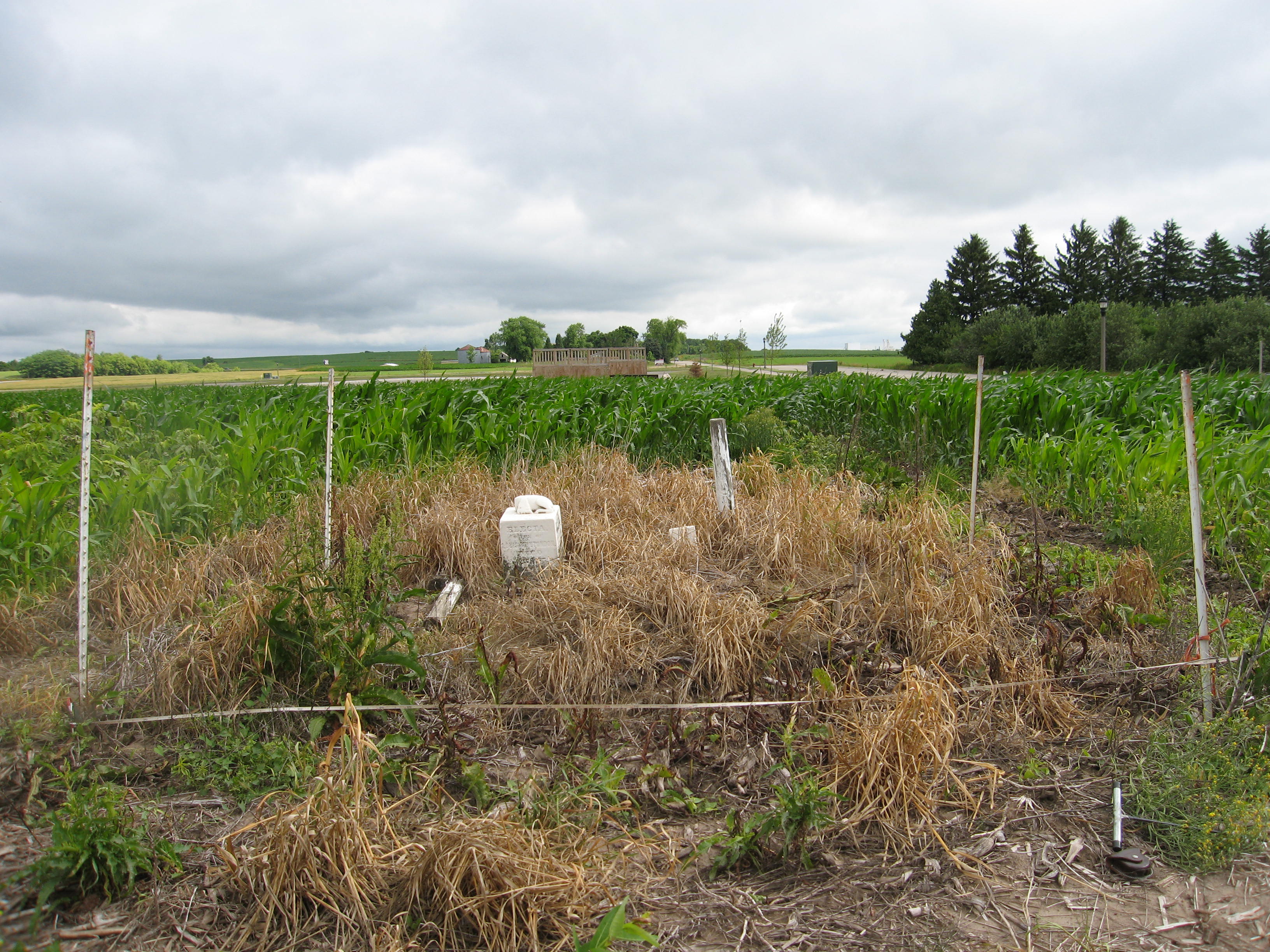
Home and Private Property Burials
Home and Private Property Burials
Has a relative asked to be buried on their farm or homestead? Are you interested in being buried on property that you own? Be aware that you will need to contact the Wisconsin Historical Society if the burial takes place.
Check Local Ordinances
Contact your local county, town, or municipality officials before you consider establishing a home burial site on private property. There may be local ordinances regulating or banning home or private burials, depending upon where you live.
Complete the Burial
The Wisconsin Historical Society is tasked with recording burial sites that already exist. We cannot record the site in advance of the burial occurring. When planning the burial location, we recommend that home burial sites be marked in some way, so that they can be easily identified and findable in the future. It is best if the burial location is at least fifteen feet from existing structures, roads, utility lines, and other features.
Record the Site with the Wisconsin Historical Society
Once a home burial has taken place, you or your executor will need to fill out a Home Burial Reporting form and send it, along with a map of the burial site, to the Office of the State Archaeologist.
A map created by a professional surveyor is best if you can afford it. If you cannot afford such a map, marking the location as precisely as possible on a series of aerial photos from Google Maps will work. Please send several maps, zoomed in from the full property to a close look at the grave site. If the new burial site is near a marked property corner, measurements north/south and east/west from that corner will also help.
Cataloguing the Burial Site and Next Steps
After the Wisconsin Historical Society receives your form and maps, we will prepare and submit a Notice of Location of Human Burial Site to your county’s Register of Deeds. This will permanently attach information about the burial site to the property deed. Copies of the approved form will be sent to you once they are returned to the Society by the Register of Deeds. This step catalogs the site.
We strongly recommend having your family members join the Registry of Interested Persons, and registering an interest in the burial site. This way, if the property ever leaves your family’s ownership, they will be contacted when projects might disturb the gravesite. They will be given opportunities to comment and object to the project. We also recommend contacting a real estate lawyer to see about attaching an easement to the burial, so that family can continue to visit the grave in years to come.
How to Work or Build Within a Human Burial Site
-
Obtain Authorization to Disturb a Human Burial Site
Ground disturbance within the boundaries of human burial sites requires formal authorization from the Director of the Wisconsin Historical Society.
To request authorization to conduct work within the boundaries of a human burial site (uncatalogued or catalogued), download and submit a completed Request to Disturb a Burial Site form.
For work planned in an uncatalogued burial site, or in uncatalogued portions of catalogued burial sites, a Request to Disturb must be submitted at least 30 days in advance of planned work. Authorization must be obtained before work in the burial site boundaries may begin.
For work planned in a catalogued burial site, a Request to Disturb must be submitted at least 90 days in advance of planned work. A Permit from the Wisconsin Historical Society must be obtained before work in the burial site boundaries may begin.
Only one Request to Disturb form is necessary per project. The request may be made by the archaeologist or archaeological consulting firm hired to conduct the work on behalf of their client. The form can also be submitted by the contracting agency, the agency's agent, the landowner or the landowner's agent may make the request.
If the planned fieldwork is on non-Federal public land (State, County, Civil Town, or Municipal), you will also need to submit and obtain a signed Public Lands Permit from the Wisconsin Historical Society prior to commencing work.
-
If the Authorization or Permit Is Granted
If authorization to disturb a burial site is granted, the planned work may proceed according to the reviewed plans as long as all stipulations in the authorization are followed.
Authorizations and permits are good for one year from the date issued. If project plans change from what was approved, they must be submitted for re-review and re-authorization.
If the planned ground disturbance will take longer than one year, you can request an extension to the existing authorization.
If authorization or permit to disturb the burial site is denied, you may appeal.
-
Hire a Qualified Archaeologist
The Society has lists of archaeologists qualified to work within the boundaries of human burial sites and to analyze skeletal remains.
If your authorization or permit stipulates a qualified archaeologist must monitor all ground disturbing work, that archaeologist must be hired from that list.
If human remains are found during project activities and cannot be left in place, you will be required to have the remains excavated by a professional archaeologist, and for the remains to be analyzed by a skeletal analyst in order to determine how old they are and who they belonged to. Society staff will use the information in the archaeologist's report to identify who should be offered custody of the remains.
All costs associated with the excavation and analysis of human remains are the responsibility of the landowner, contractor, or agency requesting to disturb the burial site.
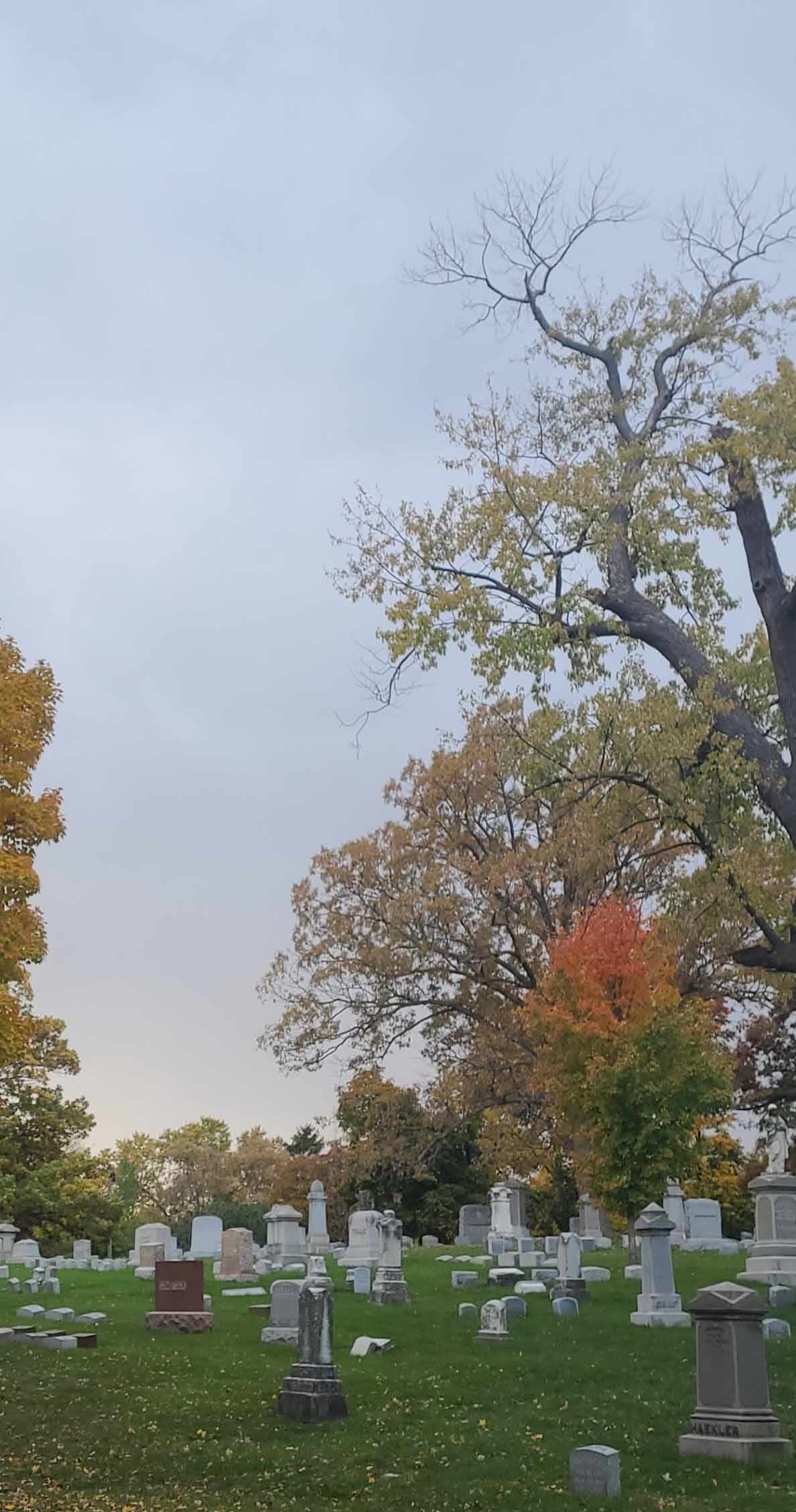
Is Authorization Always Necessary?
No. Normal cemetery business does not require authorization from the Director of the Wisconsin Historical Society. Normal cemetery business includes landscaping, replacing burial markers, and the excavation of new graves. Requests to exhume bodies from active cemeteries are considered by county medical examiners and coroners, not the Wisconsin Historical Society.

State Historic Preservation Office
The Society serves as Wisconsin’s federally designated State Historic Preservation Office (SHPO). The SHPO helps people connect to the past through historic places. We coordinate state and federal preservation programs that help the people of Wisconsin preserve historic places that are important to their communities. We also maintain state records for historic properties and archaeological sites.
Learn MoreContact Us Today!
You can contact the below offices by phone or by email using the links:
Archaeology: 608-264-6496
Review and Compliance: 608-261-2457
Historic Buildings: 608-264-6502
Burial Sites Preservation: 608-264-6464
National Register of Historic Places: 608-264-6502
Certified Local Governments: 608-264-6512
Report Burial Discovery Emergencies (Toll-Free in WI): 800-342-7834