Understanding Bias
Political Cartoons and Suffrage
Grade: 6-12
Time: Multiple Class Periods
Engage in an exploration of media bias in this suffrage-based lesson plan.
Download ActivityPlease note that some primary resources used in these activities contain offensive language in quotations from historical figures (offensive words appear in full). Please review all materials before assigning them to students to ensure they are appropriate and to provide historic context.
Objectives
Enduring Understanding
By using the past to inform the present, students learn critical thinking skills necessary to detect bias in media as well as obtaining a deeper understanding of the ideas of citizenship, free speech, civil rights, suffrage, women’s history, and more.
Essential Questions
What is bias and how can it be used to influence opinions?
How are bias and propaganda linked?
How do political cartoons reflect social struggles?
How can individuals’ choices on media sources influence their understanding of issues?
Students will
Given a series of political cartoons, posters, and pamphlets, students are asked to sort them for publication in three different “newspapers” of the day. Students then must explain their reasoning.
Background
Women’s Suffrage:
After seven+ decades of struggle, the fight for women’s suffrage, or women’s right to vote, ended in victory with the ratification of the 19th Amendment to the US Constitution. Through protest marches, letter writing campaigns, and state-level victories, women succeeded in their pursuit of this inalienable right of citizenship. As in any social movement, there were men and women on both sides of the issue, and political cartoons of the time reflected this divide.
Understanding Political Cartoons:
Teachinghistory.org provides an excellent resource designed to help students understand what political cartoons are and how they are used. Consider going over the ideas below before beginning this exercise.
“Students need to understand that political cartoons are expressions of opinion. They use all sorts of emotional appeals and other techniques to persuade others to accept those opinions. They cannot be treated as evidence either of the way things actually were or even of how everyone else felt about the way things were. They are evidence only of a point of view, often a heavily biased point of view.”
Activity
Explore media bias through primary source political cartoons of the suffrage movement in this multi-session lesson plan.
Download ActivityWisHistory Education
History matters! The Wisconsin Historical Society provides field trips, learning opportunities, civics education programs, teacher professional development and more.
Explore Educational Resources
Other Classroom Resources

Act 266 Book List
Book List and strategies for teaching Asian American, Native Hawaiian, and Pacific Islander history

Act 266 Scope & Sequence
Classroom resources for a semester length, 5 unit study of Hmong history, culture, and traditions for high school students aligned with Wisconsin Social Studies standards.

Coming to America
Educational materials about the history of Hmong immigration to Wisconsin in comparison and context of global conflicts and regional displacement.

Creating a Story Cloth
Educational resource to help students learn the history of Hmong embroidery, the meaning of story cloths in Hmong culture, and create their own version of a story cloth.
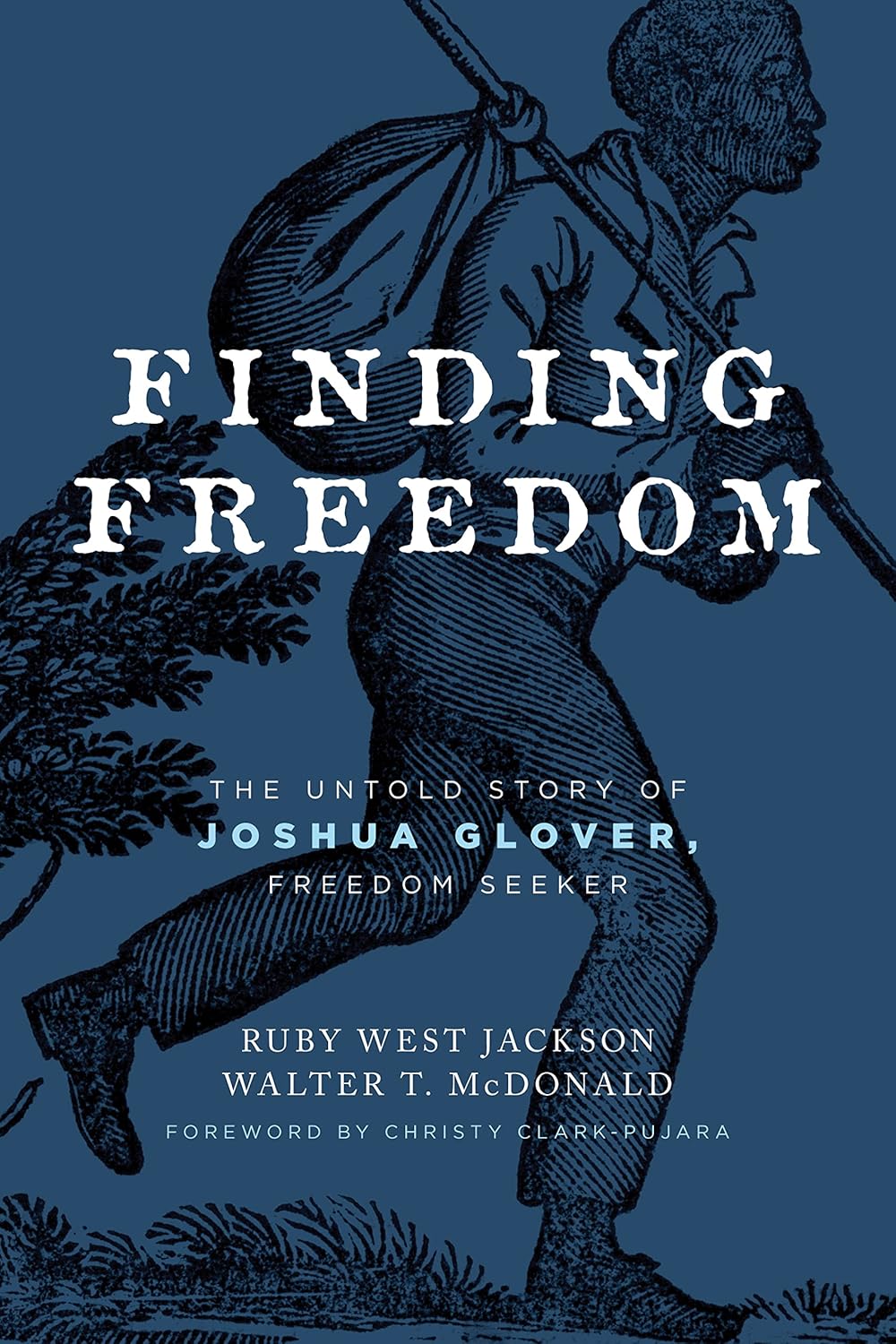
Finding Freedom Education Materials
Education materials based on the book Finding Freedom about the Underground Railroad, Joshua Glover, and the Fugitive Slave Law in Wisconsin
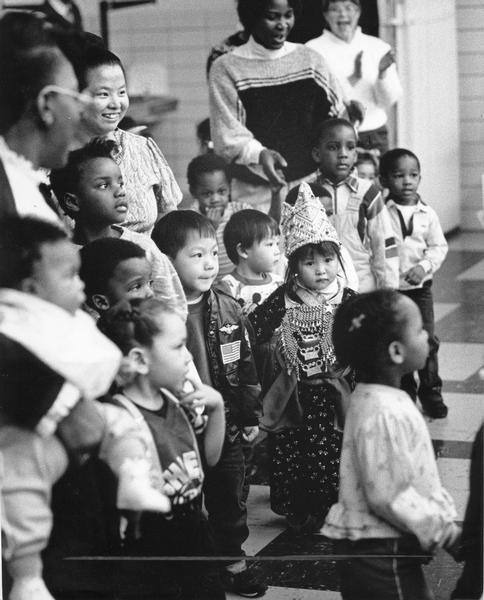
Hmong Leaders in Wisconsin Communities
A series of 3-5 grade lesson plans to support teaching about Hmong immigration history and leadership in Wisconsin communities.
Last Updated: November 17, 2026