Finding Freedom Education Materials
Grades 6-12
Multiple Class Periods
Reading Finding Freedom and working through the activities in these education materials will enable students to better understand the roles and motivations of freedom seekers, abolitionists, and enslavers in pre-Civil War Wisconsin.
Download ActivityPlease note that some primary resources used in these activities contain offensive language in quotations from historical figures (offensive words appear in full). Please review all materials before assigning them to students to ensure they are appropriate and to provide historic context.
Objectives
Enduring Understanding
Basic human rights belong to every person. Throughout history, oppressors have overtly abused their power and authority and have also taken advantage of the hidden nature of systemic racism. Knowingly or unknowingly, members of dominant cultures often benefit from systems that privilege their interests and needs. Unjust laws, dehumanizing tactics, religious justifications, violence, and more are used to subjugate people or other creeds, races, sexuality, and anyone considered "the other."
Essential Questions
- What does it mean to be free?
- How have unjust systems and laws of the past shaped modern society?
- What are some ways activists have resisted systems designed to keep them from exercising basic human rights? What similarities and differences are there between activists of the past and present?
- What obligations do majority populations have to protect the rights of minority members of society? What obligations do government institutions have?
Students will:
- Demonstrate an understanding of the conditions of enslaved persons in the past compared to free individuals
- Analyze the role that governments and other institutions play in both the liberty (protection of rights) and oppression (denial of rights) of their citizens
- Identify connections between the Underground Railroad and modern anti-racist activism
- Examine the motivations and actions of freedom seekers, enslavers, and abolitionists
- Formulate an evidence-based argument about what freedom means and defend their position
Background
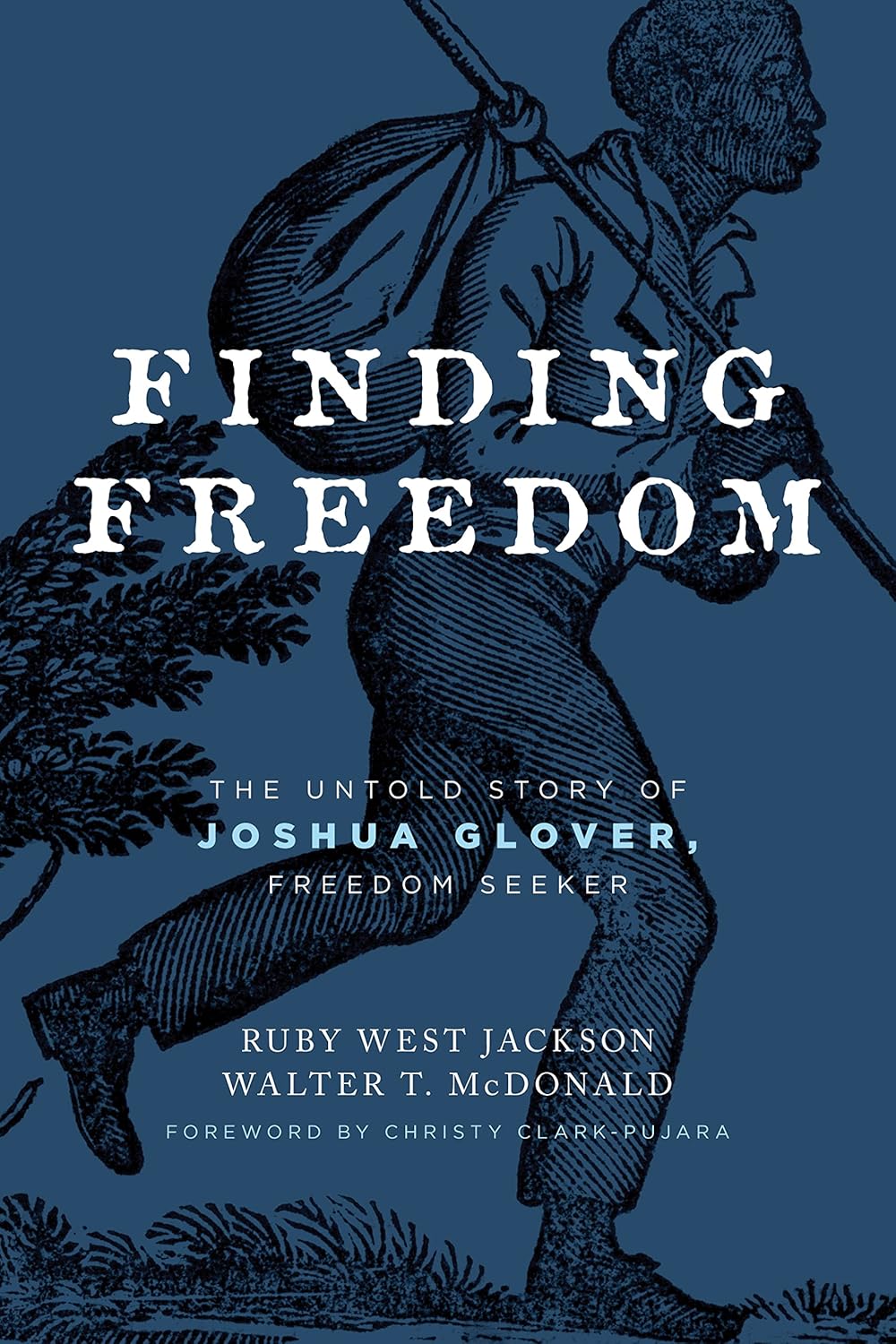
Finding Freedom tells the story of Joshua Glover, a man who escaped slavery in 1852, evaded capture, and traveled the Underground Railroad through Wisconsin before reaching freedom in Canada. Updated in 2022, the new edition contains a foreword that shines a light on the connections between the story of Joshua Glover and modern anti-racist movements.
In Finding Freedom, students will encounter evidence of past actions and consequences, government policies and individual choices, and ultimately the story of one person’s desire to live as a free man. The story of Joshua Glover is embedded in the story of Wisconsin’s past as a hotbed of abolitionist sentiment and its present status as the most segregated state in the United States.
Activity
Education Materials
These materials have been designed for teacher-led literacy circles for grades 6–12. However, several of the activities are most appropriate for students in grades 9–12 because of the advanced reading level and/or the difficulty of the subject matter. Those activities are noted throughout.
The materials include discussion questions, content questions, and extension activities for each chapter of the book. You may have the students read the discussion questions before reading the chapter. Choose or have students self-select one or more of the content activities to complete after reading, and assign extension activities as you see fit. Students are encouraged to work in pairs.
Download ActivityFinding Freedom
Educators and students can bring the story of Joshua Glover to life by purchasing Finding Freedom: The Untold Story of Joshua Glover, Freedom Seeker. This compelling narrative pairs seamlessly with our classroom activities, providing a meaningful way to explore history, civic engagement, and the fight for freedom.
WisHistory Education
History matters! The Wisconsin Historical Society provides field trips, learning opportunities, civics education programs, teacher professional development and more.
Explore Educational Resources
Other Classroom Resources

Act 266 Book List
Book List and strategies for teaching Asian American, Native Hawaiian, and Pacific Islander history

Act 266 Scope & Sequence
Classroom resources for a semester length, 5 unit study of Hmong history, culture, and traditions for high school students aligned with Wisconsin Social Studies standards.

Coming to America
Educational materials about the history of Hmong immigration to Wisconsin in comparison and context of global conflicts and regional displacement.

Creating a Story Cloth
Educational resource to help students learn the history of Hmong embroidery, the meaning of story cloths in Hmong culture, and create their own version of a story cloth.
Finding Freedom Education Materials
Education materials based on the book Finding Freedom about the Underground Railroad, Joshua Glover, and the Fugitive Slave Law in Wisconsin
Hmong Leaders in Wisconsin Communities
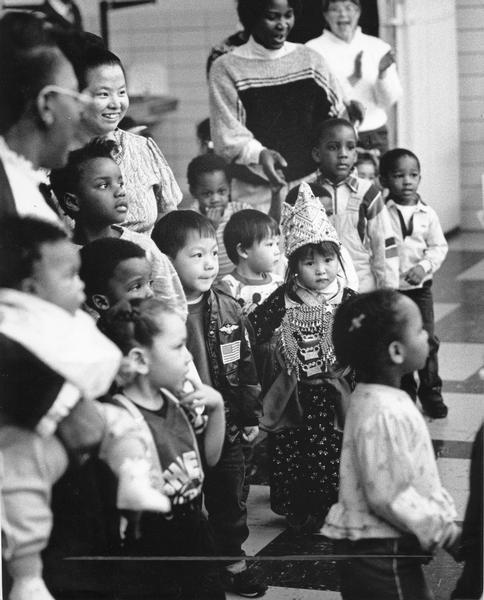
A series of 3-5 grade lesson plans to support teaching about Hmong immigration history and leadership in Wisconsin communities.
Last Updated: April 13, 2026