Juanita Adams: The Heart of an Activist
Grades 6-12
Multiple Class Periods
Using archival and contemporary sources as well as an autobiographical essay, students will learn about Juanita Adams’ lifetime of activism and Milwaukee’s desegregation and Fair Housing movement.
Download ActivitiesPlease note that some primary resources used in these activities contain offensive language in quotations from historical figures (offensive words appear in full). Please review all materials before assigning them to students to ensure they are appropriate and to provide historic context.
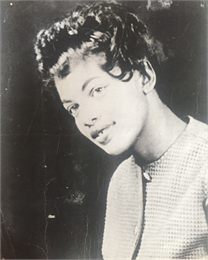
Juanita Adams
Objectives
Enduring Understanding
Throughout history, individuals and groups that have been denied their rights have worked to fight injustice, whether through personal activism, social movements, or the exercise of political power.
However, the overturning of unjust laws is not the end of the struggle, as systems of oppression and structures of power stubbornly resist movement toward racial justice. Changing the law doesn't always lead to changes in systems and structures, but individuals and groups can bring about change in society through social action.
Essential Questions
- What does it mean to be an activist?
- How do the methods of activism result in change?
- What kinds of motivations, both internal and external, are present in an activist?
- What connections exist between past and present issues of race, racism, and social justice?
Background
Milwaukee's Desegregation and Fair Housing Movement
Juanita Adams grew up with segregation in the Jim Crow South. “Blacks and whites went to separate schools, used separate bathrooms, and drank from separate water fountains,” Juanita wrote. Even as a teenager, this unfair, unjust treatment “lit a flame” within her to “stand for justice.”
Moving to Milwaukee in 1959 showed Juanita the hidden nature of systemic racism that permeated the lives of Black people. As a founding member of the Milwaukee chapter of the Congress of Racial Equality (CORE) and compatriot to Lloyd Barbee, Father Groppi, and other civil rights leaders, Juanita worked to eradicate unfair and racist treatment of Black people in Milwaukee and put an end to the systemic injustice that kept her and others like her from reaching their full potential as equal citizens of the United States.
Activities
Start your exploration of Milwaukee's Civil Rights movement with comprehensive activities for Juanita Adams: Heart of an Activist.
Download ActivitiesActivity Extensions
Video: Legacy of an Activist
In this video, you'll meet Juanita Adams’ daughters and learn how her commitment to justice permeated all aspects of Juanita’s life. Listen as her daughters share the values Juanita instilled in them and how those values live on after her death.
Video Credits
Videographer: Cory Cifax (Goodshotcory.com)
Interviewees: Sheila Adams Gardner, Esq., Patricia Adams Cifax, PhD, and Jacinta Adams Tatum

Juanita Adams Protesting School Segregation
Juanita Adams: In Her Own Words
In this video from the Wisconsin Black Historical Society (http://www.wbhsm.org/), watch and listen as Juanita Adams describes in her own words what motivated her lifelong work to spark change and fight back against racism and injustice.
Project Credits
These materials were created by Kurt Griesemer of the Wisconsin Historical Society in collaboration with:
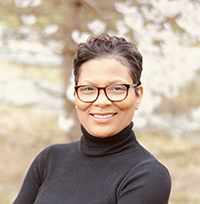
Sheila Adams-Gardner
Sheila Adams Gardner is an attorney, mediator, coparenting coach and founder of Cooperative Strategies Family Law in Washington, DC. She is Juanita Adams’ youngest of four daughters. Sheila is the author of the children’s book, My Granny Fought for Freedom, which she wrote to honor and preserve Juanita Adams’ legacy of activism. Sheila also wrote the children’s books, Two Houses, One Family and Made of Love, to celebrate successful coparenting families. Sheila is a graduate of Holy Angels Elementary and Messmer High Schools in Milwaukee. She received her Bachelor of Arts degree from Howard University and Juris Doctor degree from Texas Southern University.

Kimberly Danson
Kimberly Danson serves as Director of Diversity and Inclusion for a PreK-6th grade independent school. Before stepping into her current role, Kimberly was a consultant for WestEd, an educational research and development agency. She is a native of Milwaukee and previously served as a literacy teacher leader, instructional coach, new teacher mentor, and classroom teacher for Milwaukee Public Schools. Additionally, she was a part-time instructor for the College of Education at the University of Wisconsin-Milwaukee. Kimberly received her B.S. from Tennessee State University, a historically black college, and her M.A. in ed leadership from Marian University.
WisHistory Education
History matters! The Wisconsin Historical Society provides field trips, learning opportunities, civics education programs, teacher professional development and more.
Explore Educational Resources
Other Classroom Resources

Act 266 Book List
Book List and strategies for teaching Asian American, Native Hawaiian, and Pacific Islander history

Act 266 Scope & Sequence
Classroom resources for a semester length, 5 unit study of Hmong history, culture, and traditions for high school students aligned with Wisconsin Social Studies standards.

Coming to America
Educational materials about the history of Hmong immigration to Wisconsin in comparison and context of global conflicts and regional displacement.

Creating a Story Cloth
Educational resource to help students learn the history of Hmong embroidery, the meaning of story cloths in Hmong culture, and create their own version of a story cloth.
Finding Freedom Education Materials
Education materials based on the book Finding Freedom about the Underground Railroad, Joshua Glover, and the Fugitive Slave Law in Wisconsin
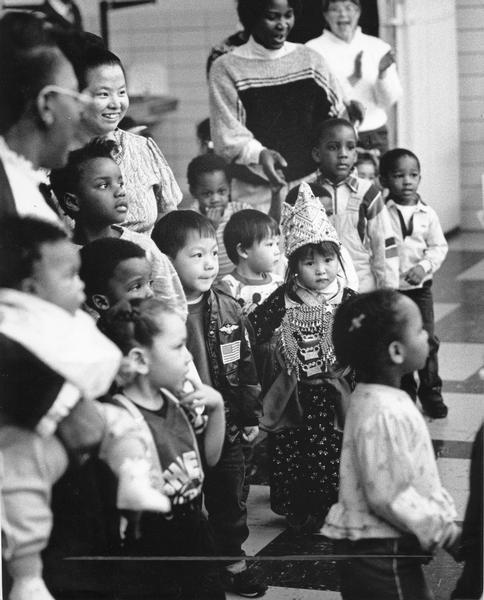
Hmong Leaders in Wisconsin Communities
A series of 3-5 grade lesson plans to support teaching about Hmong immigration history and leadership in Wisconsin communities.
Last Updated: April 14, 2026