Indian Nations of Wisconsin, 2nd Edition Education Materials
Grades 6-12
Multiple class periods
These teaching materials are intended for use with the 2nd edition of Patty Loew's seminal work Indian Nations of Wisconsin. Each chapter is presented through the lens of the "Understanding by Design" lesson plan framework. In addition, these materials have been aligned with both Wisconsin's Social Studies Standards (2019) and the Common Core State Standards for Literacy in All Subjects.
Download Materials
Objectives
Enduring Understanding
Indigenous nations have long histories with their own cultures, languages, and ways of governing. Despite the many challenges of European arrival, Native nations in Wisconsin have continuously worked to protect and maintain their rights and traditions.
Essential Questions
- How do historians study Indigenous peoples and cultures?
- How did the various Native nations adapt to the arrival Europeans?
- What is sovereignty?
- How do the migration and forced relocation of Native Americans compare to other historic immigration patterns?
Students will:
- Understand how oral history and traditions, field research, and physical objects inform what we know about the past.
- Analyze the impact of different institutions and policies on Native nations.
- Learn about seven Indian nations in Wisconsin, and the distinct bands and people groups within these nations.
Partner Resources
DPI Teaching materials
The Department of Public Instruction (DPI) worked with Indigenous and non-Indigenous teachers to write comprehensive lessons intended for use in Kindergarten through high school focused on the general ideas of tribal sovereignty and tribal government.
Tribal Sovereignty ResourcesIndian Nations of Wisconsin
Educators and students can bring Wisconsin’s Indigenous histories to life by purchasing Indian Nations of Wisconsin. Drawing on oral traditions, stories, treaty records, interviews, and other Native sources, Patty Loew presents the rich histories of the Menominee, Ho-Chunk, Ojibwe, Potawatomi, Oneida, Stockbridge-Munsee, and Brothertown nations. Highlighting both historical events and contemporary initiatives, and illustrated with maps and over 140 photographs, the book pairs seamlessly with our classroom activities, helping students explore the culture, history, and enduring contributions of Wisconsin’s Indigenous communities.
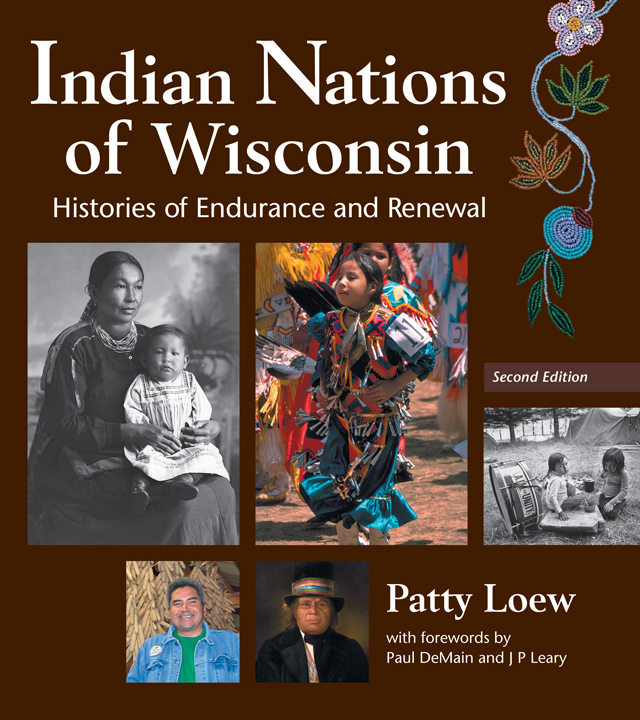
WisHistory Education
History matters! The Wisconsin Historical Society provides field trips, learning opportunities, civics education programs, teacher professional development and more.
Explore Educational Resources
Other Classroom Resources

Act 266 Book List
Book List and strategies for teaching Asian American, Native Hawaiian, and Pacific Islander history

Act 266 Scope & Sequence
Classroom resources for a semester length, 5 unit study of Hmong history, culture, and traditions for high school students aligned with Wisconsin Social Studies standards.

Coming to America
Educational materials about the history of Hmong immigration to Wisconsin in comparison and context of global conflicts and regional displacement.

Creating a Story Cloth
Educational resource to help students learn the history of Hmong embroidery, the meaning of story cloths in Hmong culture, and create their own version of a story cloth.
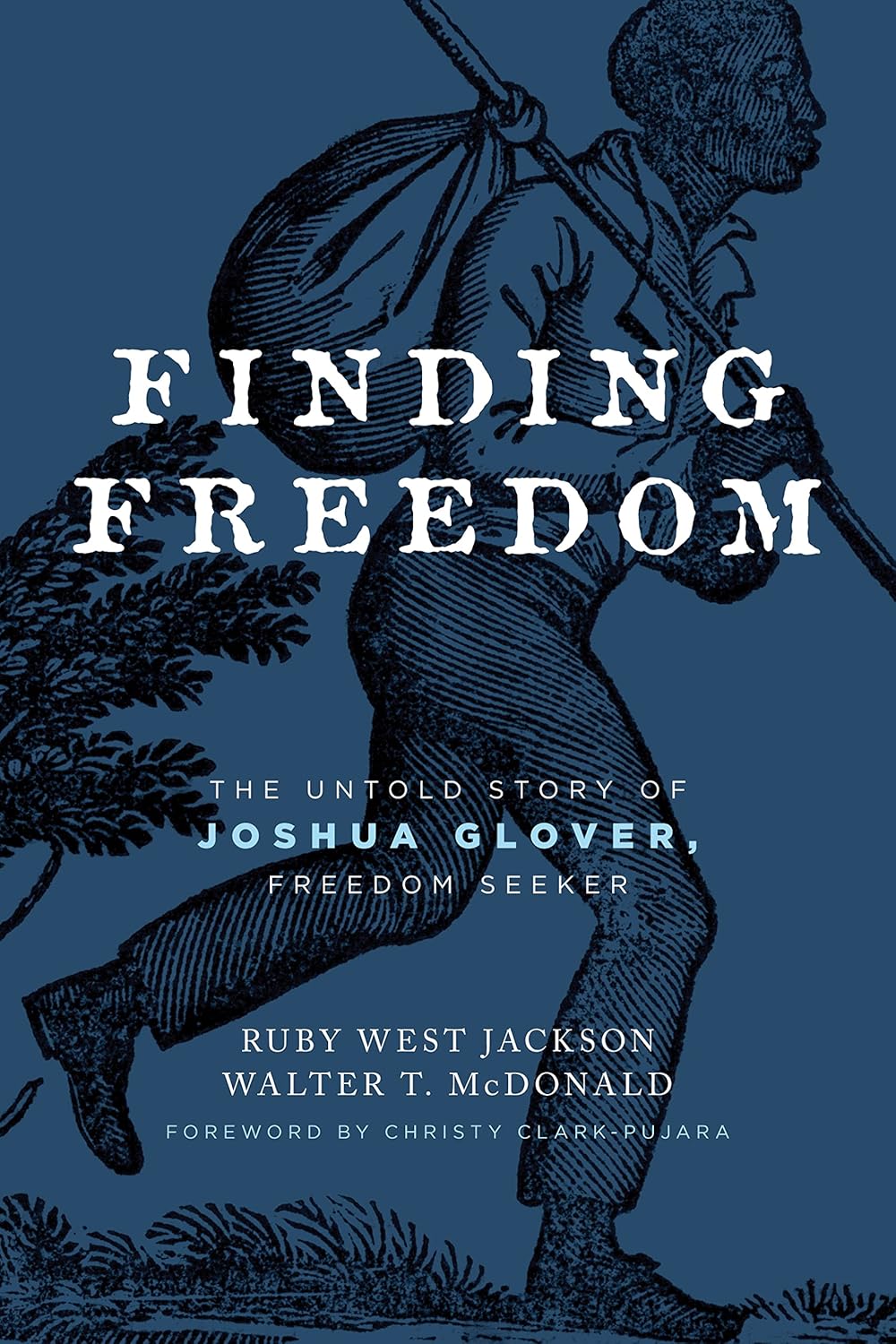
Finding Freedom Education Materials
Education materials based on the book Finding Freedom about the Underground Railroad, Joshua Glover, and the Fugitive Slave Law in Wisconsin
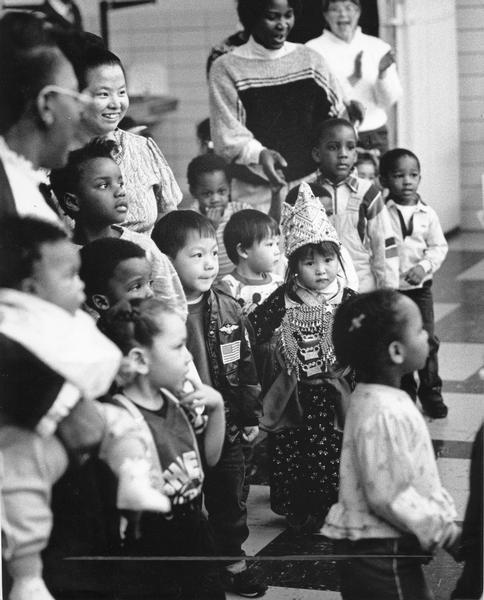
Hmong Leaders in Wisconsin Communities
A series of 3-5 grade lesson plans to support teaching about Hmong immigration history and leadership in Wisconsin communities.
Last Updated: April 15, 2026