Social Action


Take a Closer Look!
For nearly a century the Wisconsin Historical Society has documented the major sociopolitical issues and movements in the United States, as well as the state of Wisconsin. Research materials in the Social Action collections can be found in both the Library & Archives.
Political Action Committee poster that reads: "We Vote."The "V" is illustrated as a hand wearing a glove with the fingers in a V-shape. The blue background is an image of an elevated view of a crowd. There is a logo at the bottom for CIO (the Congress of Industrial Organizations - Political Action Committee). ID:W0144U1
Social Action Collections
From our beginnings as the first institution to collect labor and working class history, we have continued to identify and document the major issues of the day throughout the twentieth century, including:
- Anarchism
- Anti-Vietnam War
- Civil Liberties
- Civil Rights
- Communism
- Community Organizing
- Contemporary U.S. Peace Movement
- Free Speech
- GI Rights and Resistance
- The New Left
- Prisoner's Rights
- Reproductive Rights and Right to Life
- Social Security and Entitlement
- Socialism
- Student Activism
- Welfare Rights
Within Wisconsin we have also documented protest against nuclear power, environmental activism, the women's movement and the Native American treaty rights controversy.
Social Action Collections Highlights

Poster Collection
Social Action Poster Collection (c. 1965–c. 1990)
The Social Action Poster Collection (c. 1965–c. 1990) showcases bold visual activism across a wide spectrum of social movements. Posters and flyers highlight key issues including anti-war protest, civil rights, racism, labor organizing, politics and government, environmental activism, women’s rights, Native American sovereignty, LGBTQ rights, and movements connected to Communism, Socialism, and the Black Panthers.
Vivid, urgent, and often provocative, these materials show how activists used visual media to spark conversation, build movements, and push for change.
Social Action Poster Collection Finding Aid
Freedom Summer
1964 Freedom Summer
Freedom Summer, also known as the Mississippi Summer Project, was a 1964 civil rights campaign organized by groups like SNCC and CORE to register Black voters in Mississippi, where less than 7% of eligible Black voters were registered due to widespread disenfranchisement. Volunteers also established over 40 Freedom Schools, founded the Mississippi Freedom Democratic Party, and opened community centers across the state. The campaign was met with fierce violent resistance — including the infamous murder of civil rights workers James Chaney, Andrew Goodman, and Michael Schwerner — along with hundreds of beatings, bombings, and arrests. Though immediate voter registration gains were limited, Freedom Summer galvanized national public opinion, exposed the brutality of Southern segregation, and was a key driving force behind the passage of the Voting Rights Act of 1965.
Freedom Summer Digital Collection
Highlander Research & Education Center
Records of the Highlander Research and Education Center (1917–2017) document a century of grassroots organizing, education, and social change. Founded as the Highlander Folk School, the center led influential programs and workshops on labor rights, civil rights, and Appalachian poverty—while also facing sustained harassment from government agencies. Over time, Highlander expanded its mission to address emerging movements, including environmental justice, globalization, LGBTQ issues, and grassroots leadership in under-resourced communities.
The collection includes photographs, correspondence, workshop materials, songbooks, news clippings, speeches, and publications—capturing the evolution of one of the nation’s most influential social justice education centers.
Search the Highlander Research and Education Center Digital Items
Highlander Finding Aid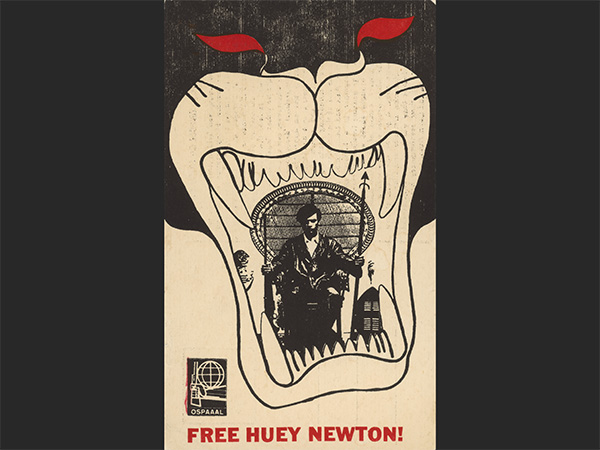
Social Action Vertical File
The Social Action Vertical File (c.1930-2002) brings together small but valuable groups of materials documenting contemporary U.S. activism. This collection offers rich snapshots of social movements and political organizing from a wide range of groups and causes—liberal, Black nationalist, feminist, peace, socialist, communist, labor, and other grassroots organizations—along with some right-wing perspectives.
The collection includes primarily printed ephemera such as leaflets, handouts, circular letters, mimeographed materials, newsletters, and flyers. Together, these pieces capture the voices, strategies, and energy of grassroots activism during a pivotal era in U.S. history.
Search the Social Action Vertical File Digital Items
Social Action Vertical File Finding AidExplore the Collections by Topic
Economic Justice
Economic Justice
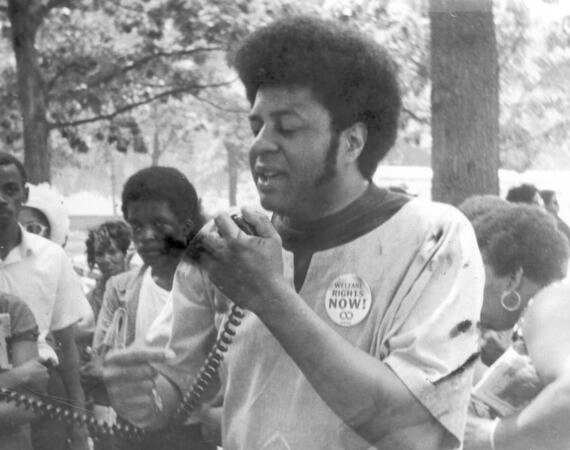
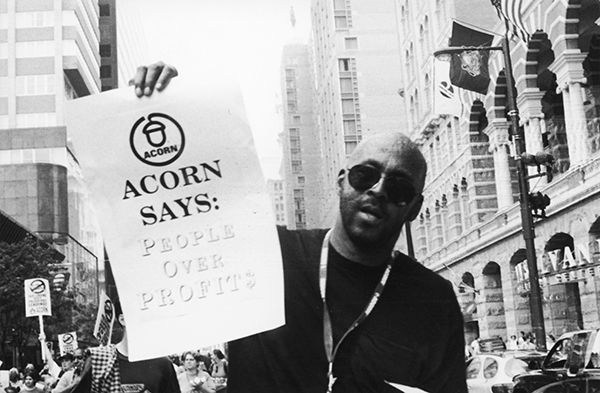
The Wisconsin Historical Society holds extensive collections documenting labor activism, political movements, and community organizing for economic justice. Highlights include early 20th-century socialism and labor activism through the papers of Morris Hillquit, Victor Berger, and the Socialist Workers Party. Later collections feature major community organizing efforts, including Anne Braden, ACORN, and George Wiley of the National Welfare Rights Organization — documenting grassroots movements for economic and social change.
- Morris Hillquit collection
- Victor Berger collection
- Socialist Workers Party collections
- Anne Braden collections
- ACORN collections
- George Wiley and the National Welfare Rights Organization collections

National Civil Rights

National Civil Rights
In the early 1960s, the Wisconsin Historical Society launched a decades-long effort to document the American Civil Rights Movement. Today, the Library and Archives hold a rich and growing collection of photographs, pamphlets, newsletters, and firsthand records that capture the fight for equality.
Highlights include materials from the Congress of Racial Equality, Highlander Research and Education Center, and the Mississippi Freedom Democratic Party, along with the personal papers of influential activists such as Daisy Bates and Amzie Moore.
Together, these collections preserve the voices, strategies, and stories that shaped the Civil Rights Movement.
- Congress of Racial Equality (CORE) collections
- Highlander Research and Education Center collection
- Mississippi Freedom Democratic Party collection
- Daisy Bates collection
- Amzie Moore collection
Wisconsin Civil Rights
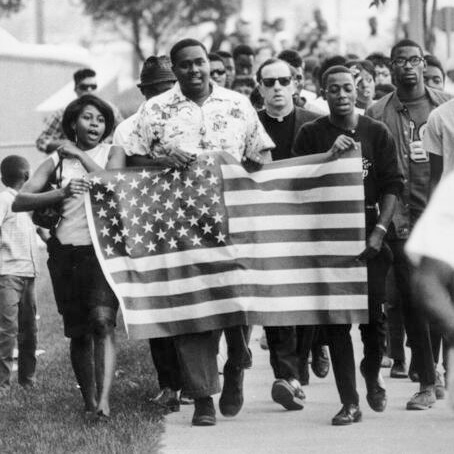
Wisconsin Civil Rights
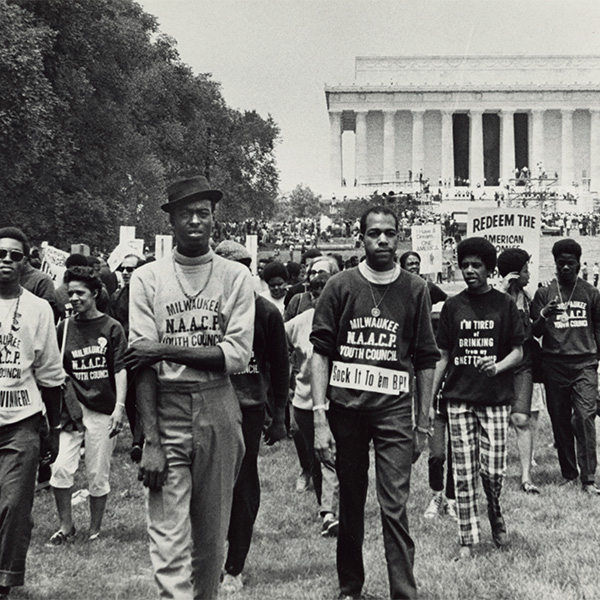
During the 1960s, Milwaukee became an epicenter in the nationwide struggle for civil rights. Activists and community members staged boycotts, led marches, and pushed for an end to segregation in schools and housing — efforts that continued for years afterward.
The Wisconsin Historical Society documents this struggle through newspapers, newsletters, photographs, and the papers of leaders such as Lloyd Barbee, Father James Groppi, and Vel Phillips, preserving the story of Milwaukee’s fight for civil rights and desegregation.
Vel Phillips Digital Collection

Civil Liberties & Free Speech

Civil Liberties & Free Speech
The Wisconsin Historical Society preserves nationally significant collections documenting the fight for civil liberties and free speech. Highlights include the papers of Alexander Meiklejohn, Ralph Ginzburg, and the National Committee Against Repressive Legislation.
Researchers can also explore the Wisconsin Center for Film and Theater Research collections, which include the papers of blacklisted Hollywood writers such as Dalton Trumbo, Alvah Bessie, and other members of the Hollywood Ten.
Together, these collections document the struggles over free expression, political dissent, and civil liberties in modern American history.

Anti-Vietnam War & Student Activism
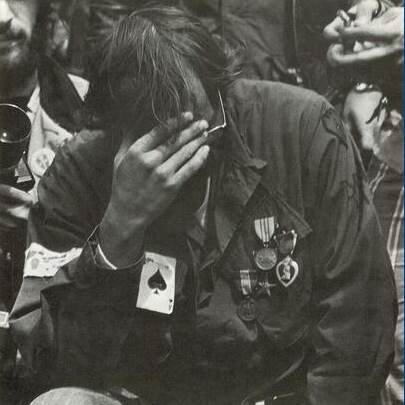
Anti-Vietnam War & Student Activism
During the Vietnam War, University of Wisconsin–Madison emerged as one of the nation’s most active centers of protest. The Wisconsin Historical Society’s collections document Madison’s prominent role in the national anti-war movement. However, the collections are truly national in scope and document the broader struggle for social change beyond the war years.
Researchers will find materials from organizations such as Vietnam Veterans Against the War and Students for a Democratic Society, along with the papers of influential activists including Staughton Lynd and Alice Lynd.
Together, these collections capture the voices, activism, and national impact of one of the most dynamic protest movements in modern American history.
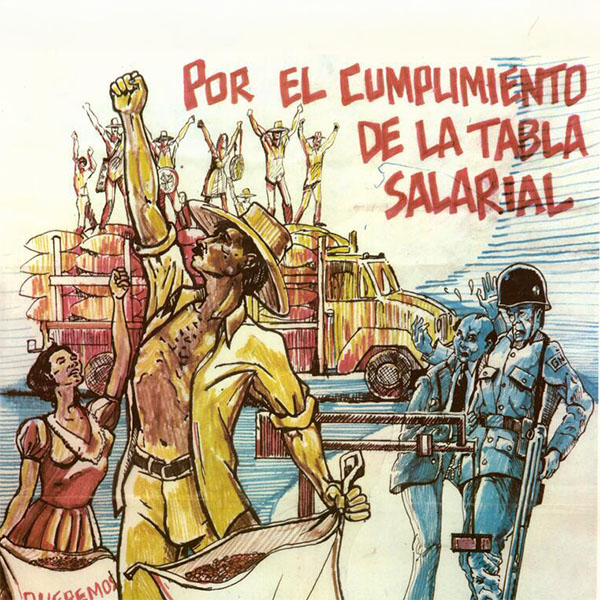
Peace & International Justice
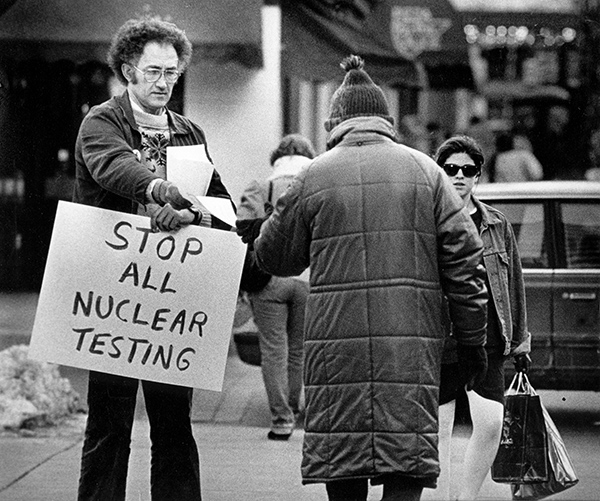
Peace & International Justice
More recent collecting at the Wisconsin Historical Society highlights peace and international justice activism. Strong collections document movements addressing U.S. foreign policy in Central America, nuclear weapons, treaty rights, and the global fight against apartheid.
Notable holdings include the papers of Brian Willson and Prexy Nesbitt, along with records from organizations such as Nicaragua Exchange, Nukewatch, and the Midwest Treaty Network.
Together, these collections document grassroots activism and global movements for peace and justice.
Collections Use FAQs
Explore how you can find, access, and use our collection materials.
The Society's library and archives collections can be searched in the University of Wisconsin-Madison Library catalog and some parts of our collections have been digitized and are available online.
The Society's historical object collection cannot be searched online.
Library & Archives
Many books, bound periodicals, microforms and government publications may be checked out for home use with a library card. Rare, fragile, small and heavily used materials (including genealogical resources) do not circulate. A borrowing card is not required if you want to use materials within the Library. Archival materials are available for use in our Archives Reading Room.
For more information about our borrowing policies Library & Archives Services.
Historic Objects
If you are interested in viewing our historical objects please contact us.
Due to significant demands associated with developing the Wisconsin History Center, the Society has reduced capacity to handle loan requests. Therefore, we are not accepting new requests at this time.
For a credit line: Wisconsin Historical Society, Creator, Title, Unique Identifier.
The Unique Identifier can be found at the top or bottom of the webpage for each item. The name of a downloaded file is NOT the unique identifier.
For bibliographic citations please consult the UW-Madison Libraries Citation Research Guide to ensure compliance with appropriate style guidelines.
-
Personal use (prints, gifts, home and study): Request images for personal use
-
Commercial use (public display, publishing, media, products, film and more): Request commercial use of our Collection
Materials in our websites and digital collection are provided for research, teaching, and private study. The Wisconsin Historical Society hold rights to some items; others may be governed by additional copyright or donor restrictions.
We encourage users to download low-res images from our website for personal or classroom use, without written permission, within the meaning of the principles of “Fair Use.”
Permission is required for reproduction, publication, or commercial use of any content made available through our websites and digital collection. By using this website, including our digital collections, you agree to the Terms of Use. Users are responsible for determining whether their intended use qualifies as fair use under U.S. copyright law. When relying on fair use, cite the source.
Visit Our
Library & Archives
Perhaps the best way to begin exploring our collections is by visiting us in person. In our reading rooms, you’ll find free and unparalleled access to our collections, helpful staff and amenities, and perhaps, your very own story.
Plan Your Visit Hours
Donate to The Society's Collections
Your Story is Wisconsin's Story
History is made every day, everywhere. Since 1846, contributions from people across the state have helped us fulfill our mission to collect, preserve and tell the stories of Wisconsin.
Find Out How