Primary Sources for Teaching Act 266
Grades 3-12
No specific timeframe
Turning Points in Wisconsin is a primary source database for educators covering a wide array of topics, including 20th-Century Immigration. Explore sources from Turning Points related to Act 266 below.
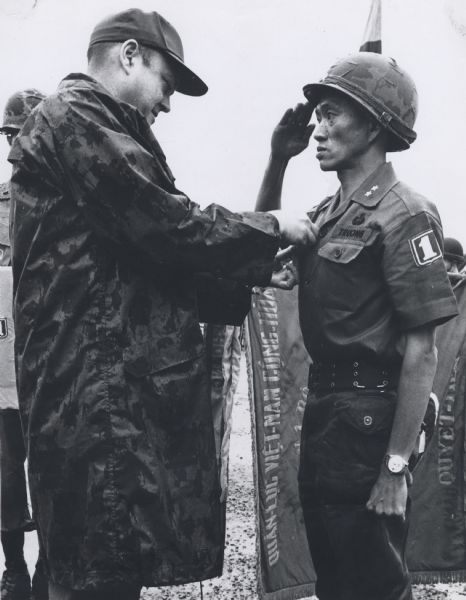
The Secretary of Defense presenting a medal to a South Vietnamese soldier during a South Asian tour.
Background
Wisconsin received little Asian immigration in the nineteenth century, particularly after the United States eliminated direct immigration from China (1882), India (1917), Japan (1924), and the Philippines (1934). During World War II, some Japanese, many of whom were American citizens, were interned at Camp McCoy. The 1965 Immigration and Nationality Act removed restrictions based on national origins in favor of a preference system that gave priority to family reunification and political refugees. Most Asian immigration to Wisconsin has occurred in recent decades, particularly among Hmong refugees from Laos.
Recruited during the Vietnam War as guerilla soldiers to fight the North Vietnamese, Hmong peoples were living literally in the crossfire during the conflict. When the United States withdrew from Vietnam in 1975, the Hmong who had aided the U.S. were left in the hands of the communists they had fought against. Thousands fled to refugee camps in Thailand where resettlement organizations, such as the U.S. Catholic Conference and Lutheran Immigration and Refugee Services, helped sponsor Hmong immigration to the United States beginning in 1975.
Wisconsin has the third largest Hmong population in the country, after Minnesota and California. The largest communities in Wisconsin are in La Crosse, Sheboygan, Green Bay, Wausau, and Milwaukee.
Primary Sources
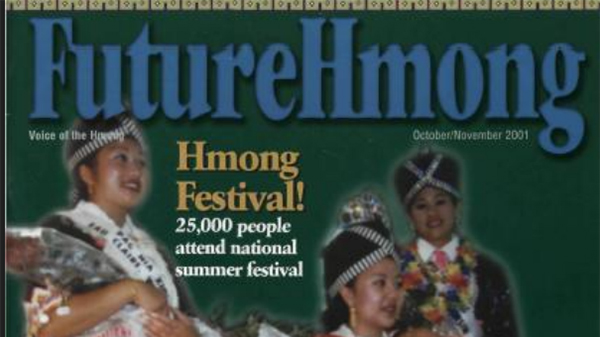
FutureHmong Magazine
Selections from FutureHmong: Voice of the Hmong magazine, 2001-2004, that feature Hmong leaders and address topics such as interracial marriage, cultural traditions, and politics.

Thang-tiên Wisconsin Ways
A government newsletter explains American life to Southeast Asian refugees, 1975-76.

Glimpses of Hmong History and Culture
This guide from 1984 contains two articles on Hmong life and history made available to Wisconsin teachers by the Department of Public Instruction.
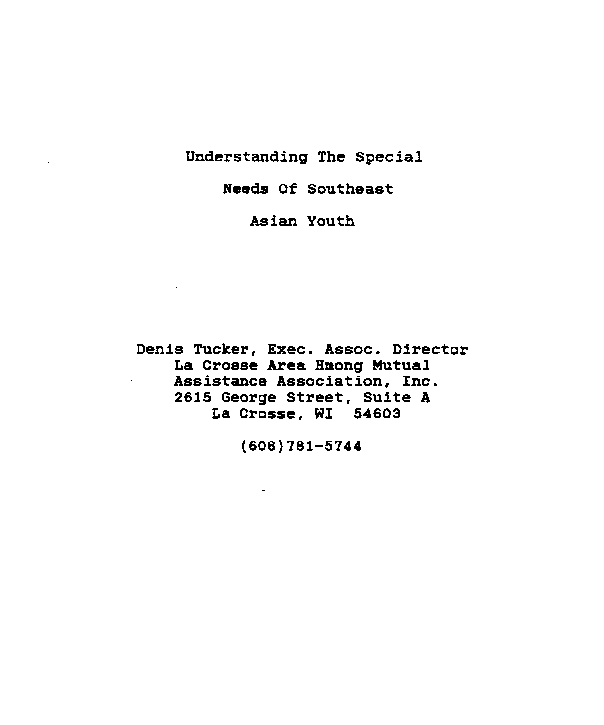
Hmong Youth in La Crosse
This report focuses on Hmong family structure and the needs of young people in the La Crosse community. It includes a section on how to provide services in a non-biased manner.

Hmong Refugee History and Status in La Crosse
A 1984 report from the La Crosse Area Hmong Mutual Assistance Association that reviews Hmong history and culture.

To Make A Difference: Southeast Asians and Other Racial Minorities of La Crosse
This assessment by the La Crosse Foundation looks at the major issues facing minorities in La Crosse in 1987 and makes recommendations for future actions.
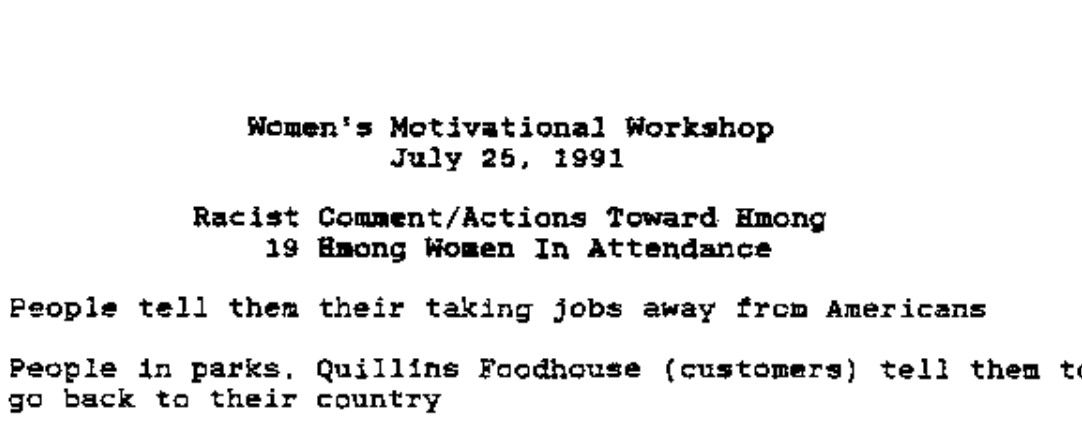
Meeting On Racism Against Hmong Women
WARNING: This document contains strong language. Notes from a meeting in 1991 where Hmong women shared stories about their racial interactions with other members of the community.
WisHistory Education
History matters! The Wisconsin Historical Society provides field trips, learning opportunities, civics education programs, teacher professional development and more.
Explore Educational Resources
Other Act 266 Resources
Learn More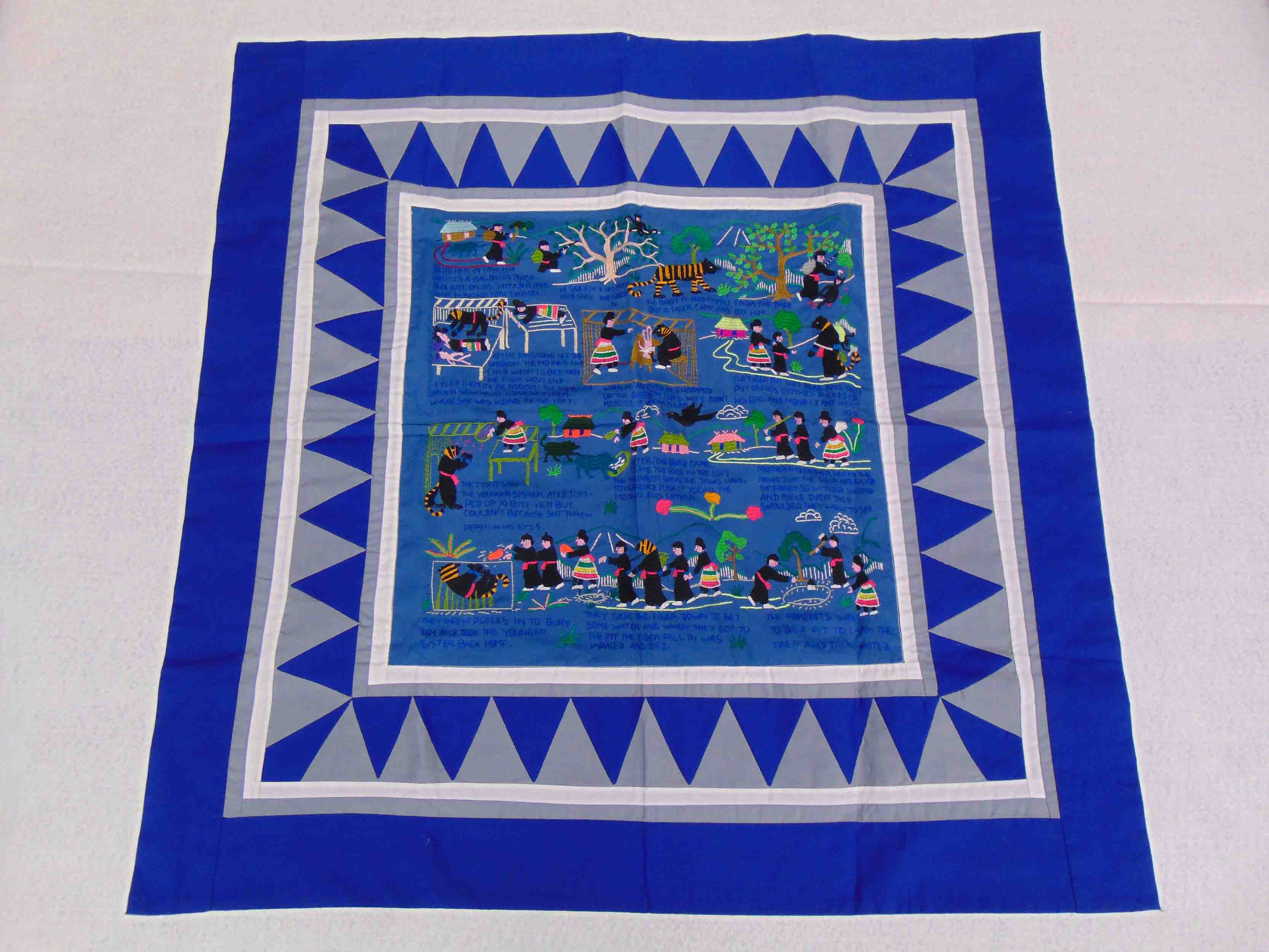
Creating a Story Cloth
Lessons from Hmong Cultural Traditions
In this lesson, students learn the history of Hmong embroidery, the meaning of story cloths in Hmong culture, and create their own version of a story cloth.
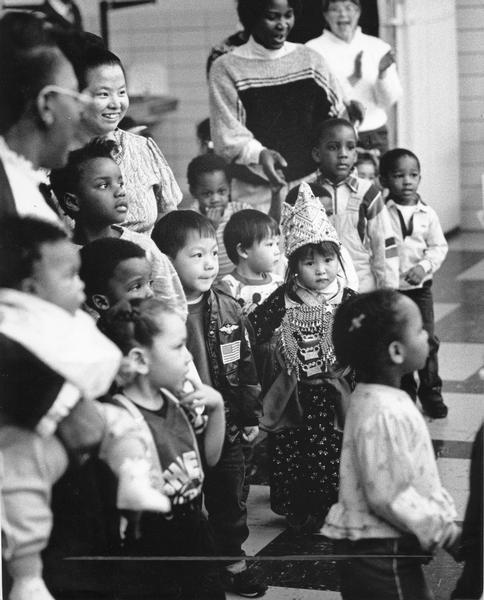
Hmong Leaders in Wisconsin
Exploring the Hmong approach to Immigration
In these lessons, students will study the immigration history of the Hmong people and their traditional ways of life to new situations and how they adapted.

Coming to America
The History of Hmong Immigration
In these lessons students will analyze written and oral histories to compare and contrast the immigration experiences of the Hmong, Vietnamese, and Cambodian people.
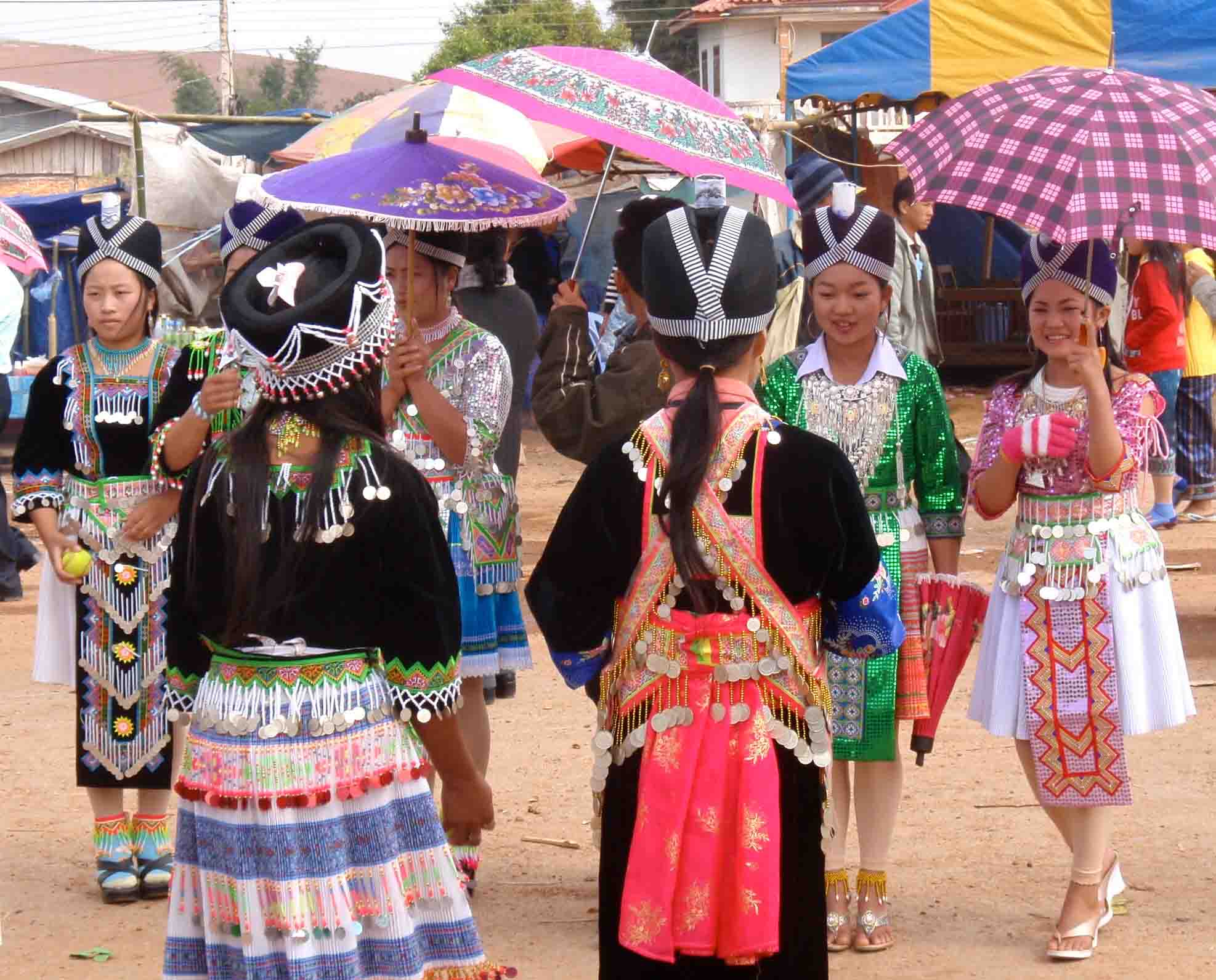
Act 266 Scope & Sequence
An In-Depth Unit on Hmong History, Culture, and Tradition
Students engage in research & project based learning to better understand the history, culture, traditions of the Hmong people.
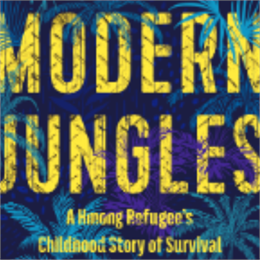
Act 266 Book List
AAPI Immigration on Turning Points
Book list and reading activities for teaching Asian American, Native Hawaiian, and Pacific Islander (AANHPI) history.
Last Updated: April 10, 2026